Non Alcoholic Fatty Liver Disease (NAFLD) is emerging as one of the most common liver disorders worldwide. The condition occurs when excess fat accumulates in liver cells in people who drink little or no alcohol. Although it may initially appear harmless, untreated fatty liver can progress to inflammation, liver damage, fibrosis, and even cirrhosis.
In recent years, doctors have increasingly referred to NAFLD as Metabolic Dysfunction Associated Steatotic Liver Disease (MASLD) because it is strongly linked to metabolic conditions such as obesity, diabetes, and high cholesterol.
How can I shrink my fatty liver fast? Well, this article explains the symptoms, causes, risk factors, and evidence based ways to reverse or manage fatty liver disease.
What Is Non Alcoholic Fatty Liver Disease?
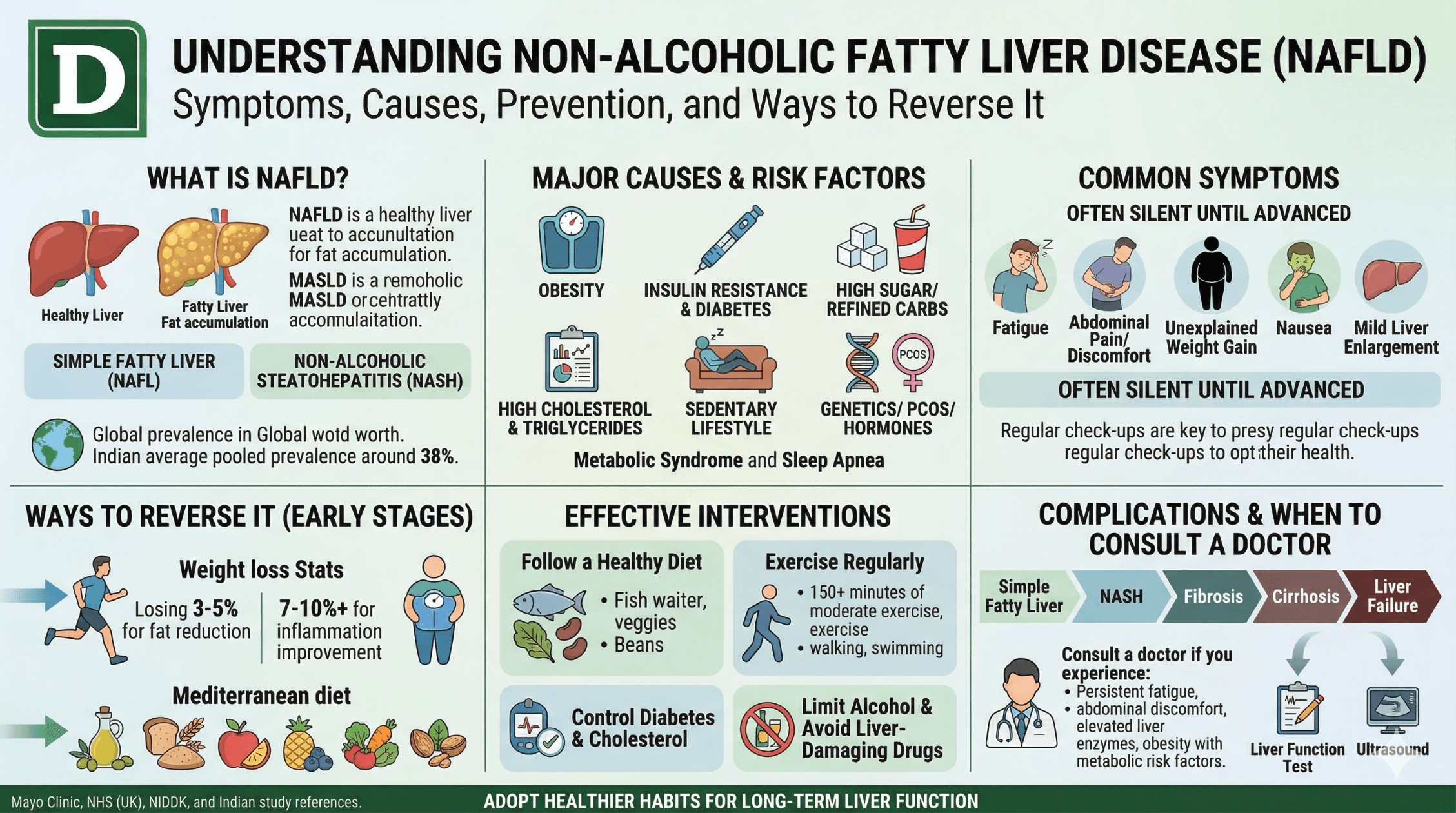
NAFLD refers to a condition where fat builds up in the liver without significant alcohol consumption. The disease has two major forms:
- Simple fatty liver (NAFL) – Fat accumulates in the liver but causes little inflammation or damage.
- Non alcoholic steatohepatitis (NASH) – A more severe stage where inflammation and liver cell damage occur, which can lead to fibrosis or cirrhosis.
NAFLD has become the most common chronic liver disease globally due to increasing obesity and sedentary lifestyles.
In India, studies estimate the prevalence to range between 9% and over 50% of adults, with an average pooled prevalence of around 38%.
What are the common symptoms of fatty liver?
One of the biggest challenges with NAFLD is that it often develops silently. Many individuals remain unaware of the condition until it is detected during routine blood tests or imaging scans.
However, some people may experience symptoms such as:
- Persistent fatigue or weakness
- Pain or discomfort in the upper right abdomen
- Unexplained weight gain or abdominal obesity
- Loss of appetite or nausea
- Mild enlargement of the liver
In advanced stages, symptoms may include jaundice, swelling in the abdomen, or severe fatigue due to liver damage.
Because early symptoms are subtle, regular health check ups and liver function tests are important for individuals at risk.
What causes non alcoholic fatty liver disease?
NAFLD develops mainly due to metabolic and lifestyle factors rather than alcohol consumption.
1. Obesity and Excess Body Weight
Excess body fat, particularly around the abdomen, is one of the strongest risk factors. Obesity increases fat storage in the liver and promotes inflammation.
2. Insulin Resistance and Diabetes
Insulin resistance causes the body to convert excess glucose into fat, which then accumulates in the liver.
3. High Sugar and Refined Carbohydrate Intake
Diets rich in refined carbohydrates and sugary beverages promote a process called de novo lipogenesis, in which the liver converts surplus sugar into fat.
4. High Cholesterol and Triglycerides
Higher lipid levels in the blood increase fat deposition in liver cells.
5. Sedentary Lifestyle
Lack of physical activity slows metabolism and contributes to obesity and metabolic syndrome.
6. Genetic and Hormonal Factors
Family history, polycystic ovary syndrome (PCOS), and hormonal imbalances can increase risk.
Risk Factors Associated with NAFLD
Several conditions increase the likelihood of developing fatty liver disease:
- Obesity
- Type 2 diabetes
- High blood pressure
- High cholesterol or triglycerides
- Metabolic syndrome
- Sleep apnea
- Poor diet and sedentary lifestyle
Can Fatty Liver Be Reversed?
Yes. In its early stages, fatty liver disease is often reversible with lifestyle changes. Unlike many chronic diseases, reducing fat accumulation in the liver can restore normal liver function if action is taken early.
Doctors usually recommend lifestyle interventions rather than medication as the first line treatment.
Effective Ways to Reverse Fatty Liver
1. Achieve Healthy Weight Loss
Weight reduction is the most effective strategy for improving fatty liver.
Studies show that:
- Losing 3–5% of body weight can reduce liver fat.
- Losing 7–10% or more can significantly improve inflammation and liver damage.
Gradual weight loss through diet and exercise works best.
2. Follow a Healthy Diet
Doctors recommend a balanced diet rich in natural foods such as:
- Fruits and vegetables
- Whole grains
- Nuts and seeds
- Lean protein
- protein such as olive oil
Mediterranean style diets are often recommended because they reduce inflammation and improve metabolic health.
Avoid or limit:
- Sugary beverages
- Processed foods
- Excess refined carbohydrates
- High fat junk foods
3. Exercise Regularly
Physical activity reduces liver fat and improves insulin sensitivity.
Experts suggest:
- At least 150 minutes of moderate exercise per week
- Activities such as walking, jogging, cycling, or swimming
- Strength training to improve metabolism
Regular exercise also helps manage conditions such as diabetes and high cholesterol.
4. Control Diabetes and Cholesterol
Managing underlying metabolic conditions plays a major role in preventing disease progression.
Doctors may recommend:
- Blood sugar control
- Cholesterol lowering strategies
- Regular monitoring of liver enzymes
Proper management reduces the risk of inflammation and fibrosis.
5. Limit Alcohol and Avoid Liver Damaging Drugs
Although NAFLD occurs in non drinkers, alcohol can worsen liver damage. Experts advise avoiding or significantly limiting alcohol consumption.
Patients should also consult doctors before taking medications or supplements that may affect the liver.
6. Improve Overall Lifestyle
Additional healthy habits include:
These changes improve metabolic health and support liver function.
Potential Complications if Untreated
If left unmanaged, NAFLD can progress through several stages:
- Simple fatty liver
- Non alcoholic steatohepatitis (NASH)
- Liver fibrosis (scarring)
- Cirrhosis
- Liver failure or liver cancer
Early detection and intervention significantly reduce the risk of severe complications.
When to Consult a Doctor
You should consult a healthcare professional if you experience:
- Persistent fatigue
- Abdominal discomfort
- High levels of liver enzymes in blood tests
- Obesity with metabolic risk factors
Doctors may diagnose fatty liver through:
- Liver function tests
- Ultrasound or imaging scans
- Fibrosis assessment or biopsy in advanced cases
Conclusion
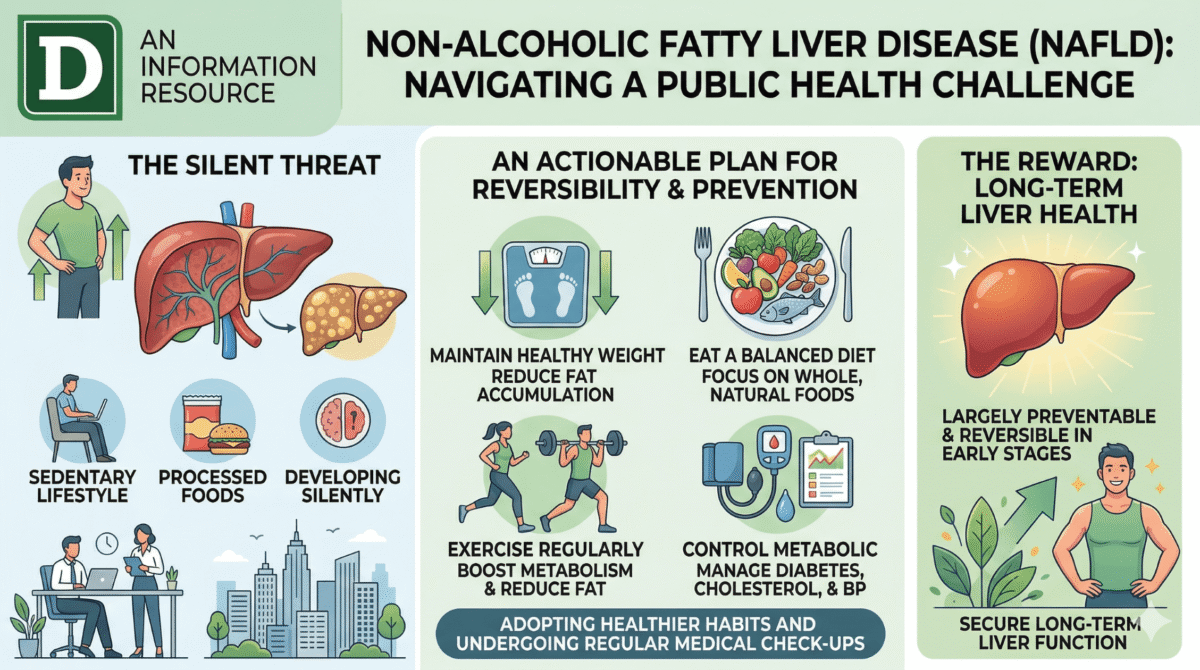
Non Alcoholic Fatty Liver Disease has become a major public health challenge, particularly in countries experiencing rapid lifestyle changes. The condition develops silently but can lead to serious liver damage if ignored.
Fortunately, fatty liver is largely preventable and reversible in its early stages. Maintaining a healthy weight, eating a balanced diet, exercising regularly, and controlling metabolic conditions are the most effective ways to protect liver health.
By adopting healthier habits and undergoing regular medical check ups, individuals can significantly reduce the risk of fatty liver disease and maintain long term liver function.
Take care.