Why Is Everyone Talking About Mushroom Coffee?
Scroll through Instagram or YouTube Shorts long enough and you’ll inevitably land on it, a steaming cup of something called mushroom coffee. Celebrities, fitness influencers, and health bloggers are raving about it. But is it just another wellness fad, or does this fungi infused brew actually deliver on its promises?
If you’ve been seeing viral posts about shroom coffee, Ryze mushroom coffee, lion’s mane mushroom coffee, or reishi mushroom coffee and wondering what on earth it all means, this comprehensive guide is for you.
Let’s go from zero to expert, covering everything: what mushroom coffee is, its fascinating origin story, the types of mushrooms used, the real science backed benefits, the risks, how to make it at home, and how it compares to other popular beverages like matcha, green coffee, and decaf coffee.
What Is Mushroom Coffee?
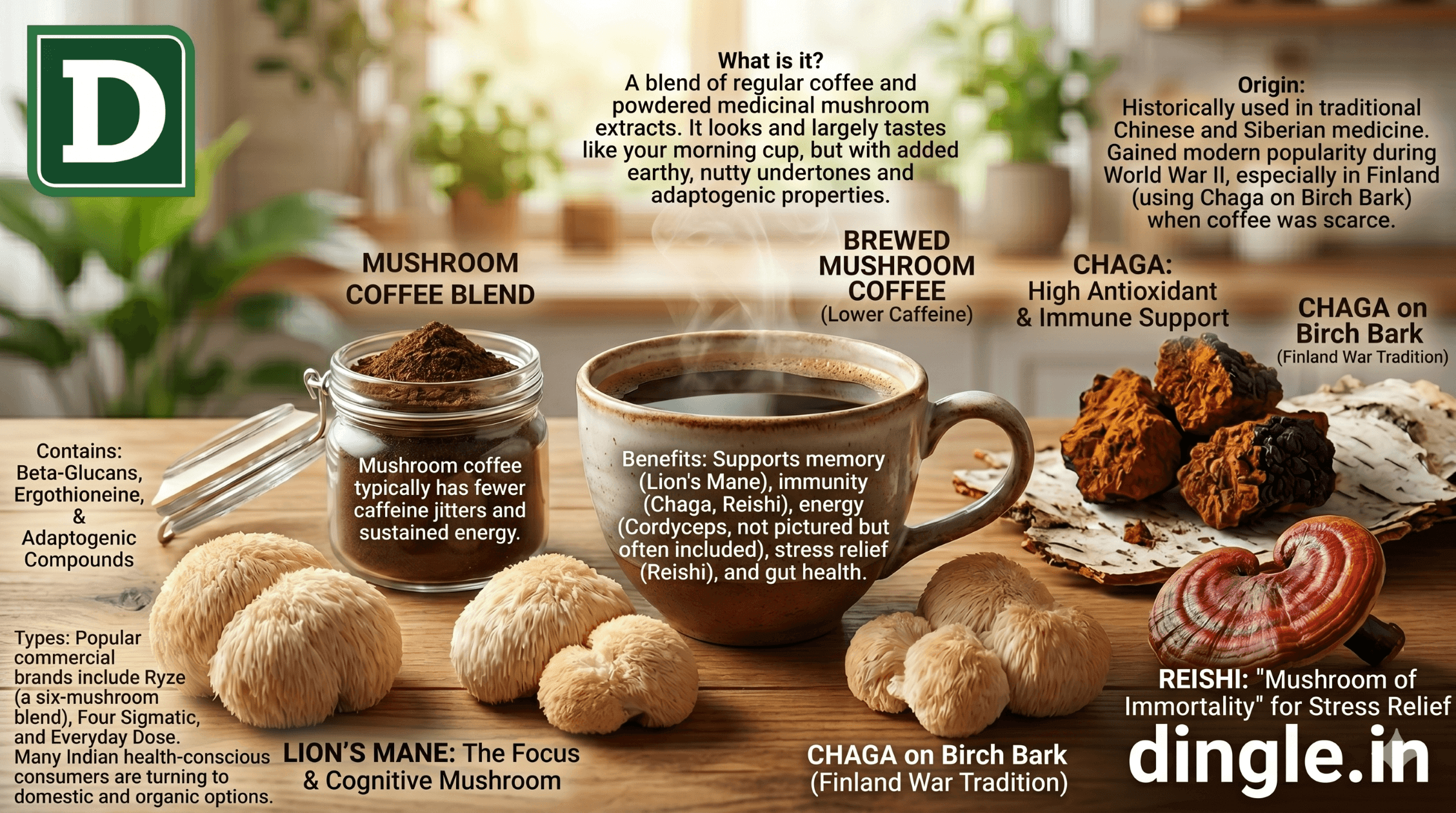
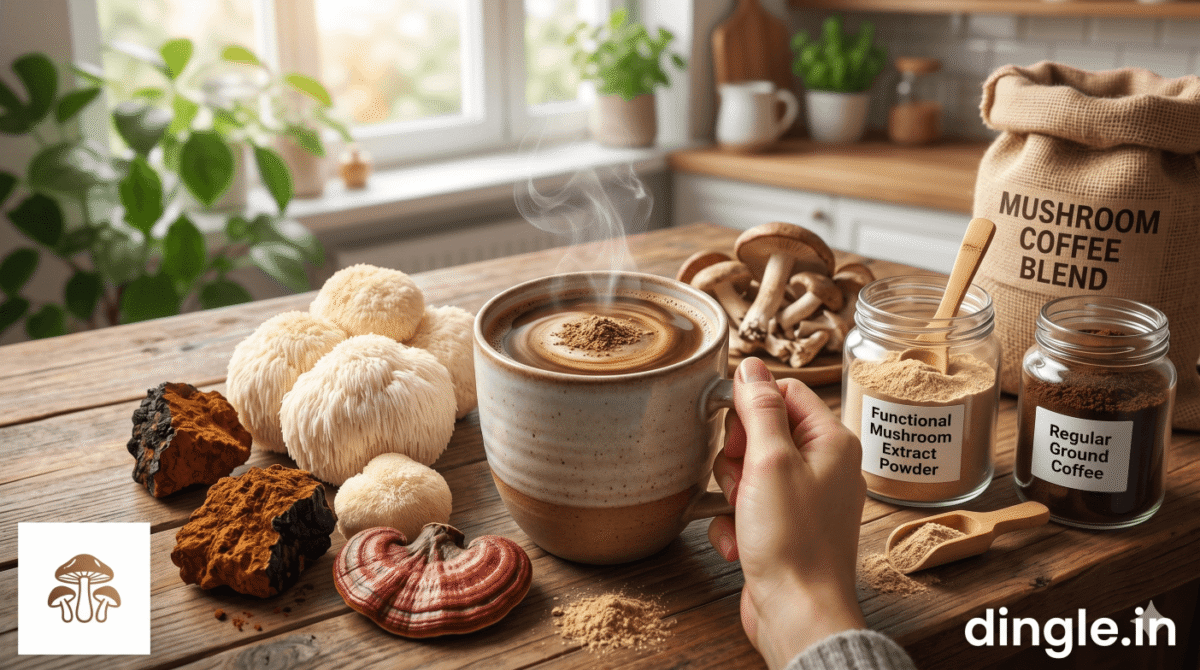
Mushroom coffee is a beverage made by blending regular ground coffee or coffee powder with powdered extracts of medicinal (also called “functional”) mushrooms. The result looks, smells, and largely tastes like your regular morning cup, but with added earthy, nutty undertones and a wealth of potential health benefits.
It is important to understand that the mushrooms used here are not the culinary varieties you’d toss into a chilli mushroom or mushroom curry. Instead, these are specifically chosen medicinal mushrooms, species that have been studied for their bioactive compounds and adaptogenic properties.
Common mushrooms used include:
- Lion’s Mane (Hericium erinaceus)
- Chaga (Inonotus obliquus)
- Reishi (Ganoderma lucidum, also known as Lingzhi mushroom)
- Cordyceps (Cordyceps militaris or sinensis)
- Turkey Tail (Trametes versicolor)
- King Trumpet / Oyster Mushroom
These mushrooms are harvested, dried, and ground into a fine mushroom powder. This powder is then either blended with coffee grounds or sold as a coffee mix that dissolves in hot water.
adaptogenic properties ?
Adaptogenic properties means something may help your body deal with stress better. Plants or herbs with these properties are called “adaptogens.” People use them hoping to reduce tiredness, improve focus, or support energy during physical or mental stress.
The Origin of Mushroom Coffee: A Story Born in Wartime Finland
The history of mushroom coffee is more compelling than you might expect. While medicinal mushrooms have been used in traditional Chinese medicine and Siberian healing practices for over 5,000 years, the idea of specifically blending them with coffee is more recent, and quite dramatic in origin.
During World War II, coffee was heavily rationed and scarce in Finland (the country among the countries with the highest per capita coffee consumption in the world). With trade routes disrupted, Finnish citizens turned to a locally abundant solution: Chaga mushroom, a parasitic fungus that grows on birch trees in cold climates.
Chaga was dried, ground into a powder, and brewed like coffee. Its dark colour, earthy bitterness, and slightly sweet flavour made it a reasonable stand in. Finnish soldiers reportedly drank chaga tea for its nutritional and immune boosting properties during the harsh conditions.
Decades later, Finnish entrepreneur Tero Isokauppila, whose own grandparents had made chaga coffee during the war, founded Four Sigmatic, the brand largely credited with bringing mushroom coffee to modern wellness culture around 2012. What began as a wartime survival drink is now a global health phenomenon.
Meanwhile, in Japan during the same era, dried shiitake mushrooms were blended into scarce coffee to stretch supplies, showing that this East West fungi coffee fusion has multiple roots.

Types of Mushroom Coffee
Not all coffee is the same. Here’s a breakdown of the main types based on the mushroom used:
1. Lion’s Mane Mushroom Coffee
The most popular variety for cognitive health. Lion’s mane (Hericium erinaceus) contains compounds called hericenones and erinacines that may stimulate the production of Nerve Growth Factor (NGF), supporting memory, focus, and long term brain health. This is the go to for students, professionals, and anyone seeking mental clarity.
2. Chaga Mushroom Coffee / Chaga Reishi
Chaga mushroom is the original mushroom coffee ingredient, historically the most widely used. Rich in antioxidants, particularly polyphenols, it supports immune function and fights oxidative stress. Chaga makes up about 28.5% of all mushroom extract products globally (Grand View Research, 2024). It has an earthy, slightly vanilla like taste.
Note: Chaga mushroom contains high oxalates, which may be a concern for people prone to kidney stones.
3. Reishi Mushroom Coffee / Lingzhi Coffee
This Reishi (also called Lingzhi mushroom in Chinese tradition) is revered as the “mushroom of immortality” in Asia. Reishi mushroom coffee is especially popular for stress reduction, better sleep, and heart health. Reishi may help lower blood pressure and cholesterol. It has a slightly bitter taste and is often blended with other flavours. Many health conscious Indians are turning to reishi coffee as an evening wind down beverage.
4. Cordyceps Mushroom Coffee
Cordyceps is the athlete’s mushroom. A 2017 study published in the Journal of Dietary Supplements found that Cordyceps militaris improved tolerance to high intensity exercise and VO2 max (oxygen utilisation). It supports adrenal function, energy metabolism, and endurance. The Cordyceps coffee is widely drunk before workouts.
5. Turkey Tail Mushroom Coffee
Turkey tail mushroom contains polysaccharide K (PSK) and polysaccharide peptide (PSP), compounds studied for immune support and anti tumor properties. A 2024 review published in Discover Applied Sciences noted its potential role in anti tumor activity against breast, lung, and gastric cancers (though clinical evidence in humans remains early stage).
Popular Mushroom Coffee Blends
Popular mushroom coffee blends available in market combine organic coffee with functional adaptogenic mushrooms like Lion’s Mane, Chaga, and Reishi for focus and immune support. Following are the better known popular mushroom coffee blends.
Red Mushroom Coffee
Red mushroom coffee typically refers to blends infused with powdered extracts of Ganoderma lucidum, commonly known as the Red Reishi or Lingzhi mushroom. It is celebrated in wellness circles for combining the energy of coffee with immune support, stress relief, and a jitter free caffeine experience. Ashwagandha mushroom coffee is a popular subcategory that pairs adaptogenic mushrooms with this ancient Ayurvedic herb for even greater stress resilience, making it especially appealing to the Indian wellness market.
Ryze Mushroom Coffee (Blend)
It is a commercially available mushroom coffee product. RYZE Mushroom Coffee is a wellness focused alternative that blends organic Arabica coffee with six functional mushrooms and adaptogens (Lion’s Mane, Cordyceps, Reishi, Shiitake, Turkey Tail, and King Trumpet). It is designed to provide smooth, sustained energy, mental clarity, and immune support without the typical caffeine jitters or crashes.
Decaf Mushroom Coffee
For those who want all the functional mushroom benefits without any caffeine, decaf mushroom coffee is widely available. It suits people who are caffeine sensitive, pregnant, or just want a calming evening drink without sleep disruption.
Mushroom Coffee Nutrition: Calories & What’s Inside
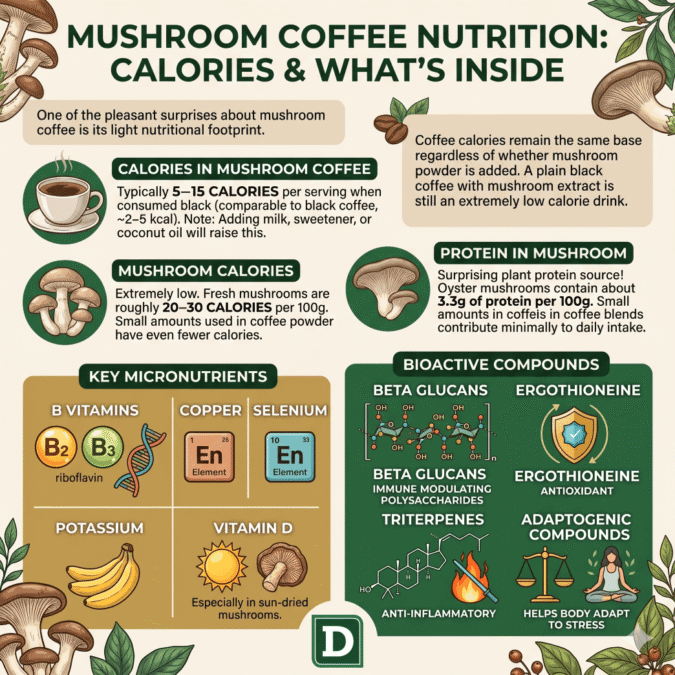
One of the pleasant surprises about mushroom coffee is its light nutritional footprint:
- Calories in mushroom coffee: Typically 5–15 calories per serving when consumed black, comparable to black coffee calories (around 2–5 kcal per cup). Adding milk, sweetener, or coconut oil will raise this.
- Mushroom calories: Most medicinal mushrooms are extremely low in calories, roughly 20–30 calories per 100g of fresh mushroom, and even less in the small quantities used in coffee powder.
- Protein in mushroom: Mushrooms are a surprising source of plant protein, oyster mushrooms, for example, contain about 3.3g of protein per 100g. However, the small amounts of mushroom powder in blends contribute minimally to daily protein intake.
- Key micronutrients: B vitamins (B2/riboflavin, B3/niacin), copper, selenium, potassium, and vitamin D (especially in sun dried mushrooms).
- Bioactive compounds: Beta glucans (immune modulating polysaccharides), ergothioneine (antioxidant), triterpenes (anti inflammatory), and adaptogenic compounds.
Coffee calories remain the same base regardless of whether mushroom powder is added. A plain black coffee with mushroom extract is still an extremely low calorie drink.
Benefits of Mushroom Coffee: What the Science Says?
Here’s where this coffee earns its hype, with appropriate nuance about what research actually confirms.
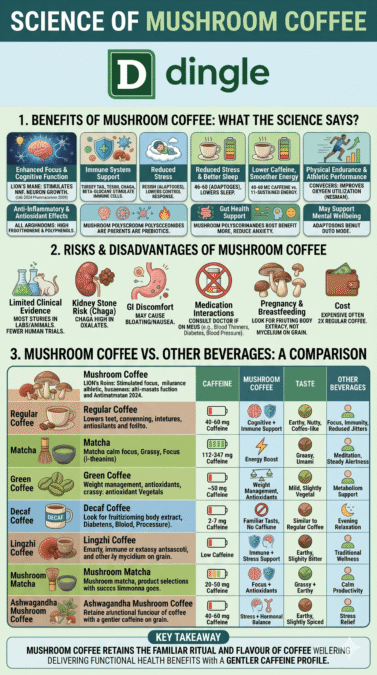
1. Enhanced Focus & Cognitive Function
The clearest benefit comes from lion’s mane mushroom coffee. Studies suggest lion’s mane stimulates NGF production, which supports the growth and repair of neurons. A 2024 peer reviewed study published in Pharmaceuticals (PubMed indexed) found that adding Cordyceps militaris and Hericium erinaceus (lion’s mane) to coffee produced measurable bioactive compounds in the final brewed cup. This is the study that moved many scientists from skeptical to intrigued.
2. Immune System Support
Turkey tail, reishi, and chaga are all associated with immune modulation. Their beta glucan content is thought to stimulate immune cells and regulate inflammation. Polyphenols in chaga act as antioxidants, protecting cells from free radical damage.
3. Reduced Stress & Better Sleep
Reishi is classified as an adaptogen, a substance that helps the body manage stress more effectively. Regular consumption of reishi based mushroom coffee may reduce cortisol response and support more restful sleep. This makes reishi mushroom coffee a popular choice as an evening ritual.
4. Lower Caffeine, Smoother Energy
Standard mushroom coffee blends contain significantly less caffeine than regular coffee, 40–60 mg per serving, compared to 113–247 mg in a standard cup of regular coffee. Yet, thanks to the adaptogenic mushrooms, users report sustained energy without the classic caffeine jitters or 2 PM crash. This is one of the top reasons people switch from luwak coffee or strong espresso to mushroom coffee.
5. Physical Endurance & Athletic Performance
Cordyceps has been studied for its ability to improve oxygen utilisation. A randomised, double blind, placebo controlled trial found that a mushroom blend containing cordyceps (4g/day for 3 weeks) improved VO2max compared to a placebo group.
6. Anti Inflammatory & Antioxidant Effects
All functional mushrooms in coffee contain high levels of ergothioneine and polyphenols, antioxidants that reduce oxidative stress, protect cardiovascular health, and lower systemic inflammation.
7. Gut Health Support
The polysaccharides in medicinal mushrooms act as prebiotics, feeding beneficial gut bacteria. A 2023 review in Biology confirmed that mushroom polysaccharides positively interact with the gut microbiota.
8. May Support Mental Wellbeing
A 2024 review published in Neuroscience & Biobehavioral Reviews found that mushrooms may benefit mood and neurocognitive health across the lifespan, with potential to reduce anxiety and mild depression, partly through adaptogenic mechanisms.
Risks & Disadvantages of Mushroom Coffee
This coffee is generally safe for most healthy adults, but it is not without caveats. Here’s what credible medical sources advise:
1. Limited Clinical Evidence
As Harvard Health and the Cleveland Clinic both note, while the bioactive compounds in medicinal mushrooms are promising, most studies have been conducted in labs or on animals, not large scale human clinical trials. Many benefits are based on the mushrooms themselves, not specifically on coffee as a brewed product. The concentration of mushroom extract in a commercial blend may be too low to replicate study doses.
2. Kidney Stone Risk (Chaga)
Chaga mushrooms are high in oxalates. High oxalate intake increases the risk of kidney stones. People with kidney issues, or those already prone to kidney stones, should avoid or limit chaga heavy blends.
3. GI Discomfort
Some users report bloating, nausea, or loose stools, especially when starting out or consuming large amounts. Mushroom extracts can be hard on sensitive digestive systems.
4. Medication Interactions
Certain mushrooms carry specific drug interaction risks:
- Reishi can lower blood pressure, risky for those already on antihypertensive medication.
- Chaga is a natural blood thinner, avoid if you’re on blood thinning medications.
- Cordyceps may interact with diabetes medications.
- Turkey tail may affect immunosuppressant drugs. Always consult a doctor before adding shroom coffee to your routine if you’re on medication.
5. Pregnancy & Breastfeeding
There is insufficient data on safety for pregnant or breastfeeding individuals. Most medical sources advise avoiding shroom coffee during pregnancy as a precaution.
6. Cost
As UCLA Health notes, mushroom coffee often costs at least twice the price of regular. A quality blend like Ryze or Four Sigmatic can cost ₹2,000–₹4,000+ for a month’s supply in India.
7. Product Quality Varies Widely
Not all mushroom coffee is created equal. Some products use mycelium on grain (a cheaper form) rather than the actual fruiting body of the mushroom, which contains fewer bioactive compounds. Look for products that specify fruiting body extract and list actual beta glucan percentages.
Mushroom Coffee vs. Other Beverages: A Comparison
| Beverage | Caffeine | Key Benefit | Taste Profile | Best For |
|---|---|---|---|---|
| Mushroom Coffee | 40–60 mg | Cognitive + immune support | Earthy, nutty, coffee like | Focus, immunity, reduced jitters |
| Regular Coffee | 113–247 mg | Energy boost | Bold, bitter | Instant energy |
| Matcha | 30–70 mg | Calm focus (L theanine) | Grassy, umami | Meditation, steady alertness |
| Green Coffee | ~50 mg | Weight management, antioxidants | Mild, slightly vegetal | Metabolism support |
| Decaf Coffee | 2–7 mg | Familiar taste, no caffeine | Similar to regular coffee | Evening relaxation |
| Lingzhi Coffee | Low | Immune + stress support | Earthy, slightly bitter | Traditional wellness |
| Mushroom Matcha | 20–50 mg | Focus + antioxidants | Grassy + earthy | Calm productivity |
| Ashwagandha Mushroom Coffee | 40–60 mg | Stress + hormonal balance | Earthy, slightly spiced | Stress relief |
Key takeaway: This coffee sits in a unique middle ground, it retains the familiar ritual and flavour of coffee while delivering functional health benefits with a gentler caffeine profile than standard coffee beans.
How to Make Mushroom Coffee at Home
You don’t need a special coffee machine to enjoy mushroom coffee. Here are three easy methods:
Method 1: The Simple Stir In (Easiest)
- Brew your regular coffee using your preferred method, drip, French press, or coffee powder pour over.
- Add ½ to 1 teaspoon of mushroom powder (lion’s mane, reishi, chaga, or a blend) to your cup.
- Stir well or use a milk frother for a smooth, lump free consistency.
- Add warm milk (dairy or plant based like oat or almond milk), honey, or cinnamon to taste.
Method 2: Cold Mushroom Coffee (Cold Coffee Variation)
Want to know how to make cold coffee with a mushroom twist? Here’s a simple mushroom coffee cold brew recipe:
- Combine coarsely ground coffee + mushroom powder with cold water in a mason jar or French press (ratio: 1 cup coffee to 4 cups water, add 1–2 tsp mushroom powder).
- Stir gently, cover, and refrigerate for 14–18 hours.
- Strain through a fine mesh or coffee filter.
- Serve over ice with a splash of almond milk and a pinch of cinnamon.
Tip: For cold coffee, dissolve mushroom powder in 2 tablespoons of warm water first before adding to cold brew, this ensures better dispersion and preserves nutrient bioavailability.
Method 3: Using a Pre Made Mushroom Coffee Mix
Products like Ryze mushroom coffee, Four Sigmatic, or Everyday Dose mushroom coffee come as ready to dissolve coffee mix powders. Simply:
- Add 1 tablespoon of the mix to your mug.
- Pour 180–200 ml of hot water (not boiling, allow boiled water to cool 1–2 minutes).
- Stir or froth and enjoy.
Optional Add Ins for Extra Wellness
- Ashwagandha powder — adds adaptogenic stress relief
- Turmeric — anti inflammatory boost
- Cacao powder — antioxidants + chocolate flavour
- Coconut oil — healthy fats for sustained energy
Where to Buy Mushroom Coffee in India
This variety of coffee is increasingly available in India through:
- Amazon India: search “mushroom coffee Amazon” for brands like Ryze, Four Sigmatic, and domestic options
- Health food stores and organic stores in metro cities
- Online wellness D2C brands: several Indian startups now offer organic mushroom coffee and domestically cultivated mushroom powders
Mushroom price varies by brand and type. Expect:
- Indian mushroom powder (lion’s mane, reishi): ₹500–₹1,500 per 100g
- International brands (Ryze, Four Sigmatic): ₹2,000–₹4,500 for a monthly supply
- DIY approach (buying coffee powder + mushroom powder separately): most economical option
Regarding mushroom cultivation in India, lion’s mane, oyster mushrooms, and reishi are now commercially cultivated in states like Himachal Pradesh, Uttarakhand, and Karnataka, making fresh and dried mushroom powders increasingly accessible domestically.
Should You Try Mushroom Coffee?
Mushroom coffee is not a miracle cure, but it is a genuinely interesting, evidence supported functional beverage that offers real value for the right person. If you:
- Want fewer caffeine jitters but still need a morning energy boost
- Are interested in cognitive support (focus, memory, clarity)
- Want to strengthen your immune system naturally
- Are looking for a lower calorie, lower caffeine alternative to regular coffee
- Are curious about the intersection of ancient wellness traditions and modern science
…then this coffee is worth exploring.
Start with a small amount, ½ teaspoon of mushroom powder per cup, and give it 2–3 weeks of consistent use before judging results. And as always, consult your doctor if you are on any medications or have underlying health conditions.
Conclusion
From the birch forests of wartime Finland to your Instagram feed, mushroom coffee has had one of the most fascinating journeys in wellness history. Today, backed by growing scientific interest and a global market projected at $2.91 billion in 2025, it’s more than just a trend.
Whether you choose lion’s mane mushroom coffee for focus, chaga reishi mushroom coffee for immunity, cordyceps for physical performance, or a comprehensive blend like Ryze mushroom coffee, this brew offers something for nearly everyone.
The ritual of your morning cup doesn’t have to change, just what’s in it.
Take care.
References & Sources
- Harvard Health Publishing: Mushroom Coffee: Worth a Taste? (June 2024), health.harvard.edu
- Cleveland Clinic: Mushroom Coffee: Should You Be Drinking It? (2023), health.clevelandclinic.org
- UCLA Health: Should You Switch to Mushroom Coffee? (July 2023), uclahealth.org
- Kała, K. et al. (2024): Coffee with Cordyceps militaris and Hericium erinaceus as a Source of Essential Bioactive Substances. Pharmaceuticals, 17(7), 955. doi:10.3390/ph17070955
- Hirsch, K.R. et al. (2017): Cordyceps militaris Improves Tolerance to High Intensity Exercise. Journal of Dietary Supplements, 14(1), 42–53.
- Cha, S. et al. (2024): A Review of the Effects of Mushrooms on Mood and Neurocognitive Health Across the Lifespan. Neuroscience & Biobehavioral Reviews.
- Zhao, J. et al. (2023): The Interaction Between Mushroom Polysaccharides and Gut Microbiota. Biology.
- News Medical.net: The Truth About Mushroom Coffee: Benefits vs. Hype (February 2025), news-medical.net
- GoodRx Health: Is Mushroom Coffee Good for You? (April 2025), goodrx.com
- TODAY Health: What Is Mushroom Coffee and Are There Any Health Benefits? (March 2025), today.com
- The Business Research Company: Mushroom Coffee Market Size Report, 2024–2025
- Grand View Research: Mushroom Extract Market Data, 2024
- Food52: The Hidden Wartime Origins of Mushroom Coffee (2017): food52.com
- INTEGRIS Health: What Are the Benefits of Mushroom Coffee? (March 2024), integrishealth.org
Disclaimer: This article is for informational purposes only and does not constitute medical advice. Consult a qualified healthcare professional before adding any new supplement or functional food to your routine.