Bitcoin has come a long way since it was a mystery known only to tech enthusiasts. Today, governments are holding it as a national reserve, banks are investing in it through official funds, and millions of everyday people around the world are buying, selling, and using it, including a growing number of people in India.
Whether you are completely new to Bitcoin or have heard about it and want to understand what all the buzz is about, you are in the right place.
In this article, we explain everything in simple language: what Bitcoin is, how it works, why it has value, how you can buy it, and what are the biggest developments that have happened in 2024 and 2025 that every Bitcoin reader should know. From the 2024 Bitcoin Halving, to the historic US approval of Bitcoin ETFs, to the United States creating its own Strategic Bitcoin Reserve a lot has changed.
Let us start from the beginning.
The Rise of Bitcoin and Its Creator: Satoshi Nakamoto
In October 2008, an individual (or group) under the pseudonym Satoshi Nakamoto published a groundbreaking white paper titled Bitcoin: A Peer to Peer Electronic Cash System.
This paper outlined the concept of a decentralized digital currency, free from government or financial institution control.
But who exactly is Satoshi Nakamoto?
Despite various claims and speculations, Nakamoto’s identity remains a mystery.
Some believe it’s a pseudonym to protect their privacy, while others suggest it could be a collective effort.
What Is Bitcoin?
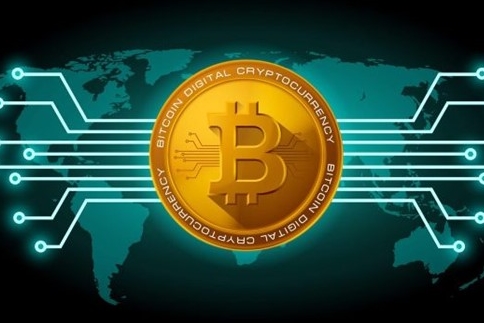
Bitcoin is the first and most popular cryptocurrency, a form of digital currency that operates on blockchain technology.
Cryptocurrency is a digital currency in which transactions are verified and records maintained by a decentralized system using cryptography, rather than by a centralized authority.
Unlike traditional money, Bit-coin exists solely in the digital world, with transactions secured by cryptography.
- Decentralization: Banks or governments do not control it’s transactions. It is a form of cryptocurrency which relies on blockchain technology. By means of cryptocurrency or crypto (short form of cryptocurrency), it is a digital currency or digital money that uses cryptography to secure its currency transactions.
- Blockchain: A public ledger records all Bit coin transactions, ensuring transparency. As it is a digital currency there is no physical transaction and you will not find any physical coin of it. Users conduct all transactions in the virtual world, record them in a ledger called the Blockchain, and share it among themselves. It is just data.
- Limited Supply: There will only ever be 21 million Bit coins, adding to its scarcity and value. Thus it is a full proof system in terms of digital transactions.
How Does Bitcoin Work?
Bit-coin transactions occur in the digital realm. Here’s how it works:
- Digital Wallets: To use Bitcoin, both the sender and receiver must have digital wallets.
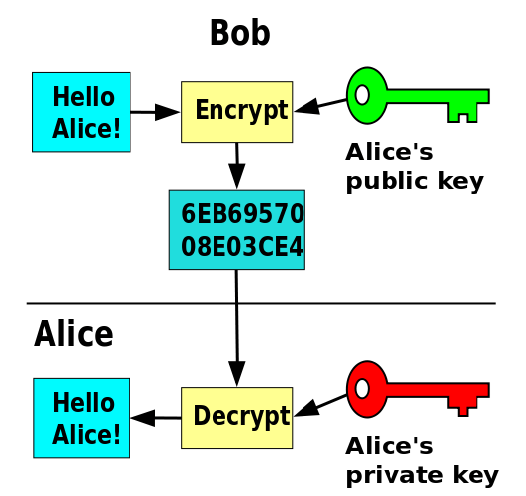
- Public and Private Keys: You authenticate transactions using a private key (your unique signature) and send them to a public key (the recipient’s address).
- Blockchain Recording: Once the system verifies the transaction, it adds it to the blockchain, ensuring no one can alter it.
For instance, if you want to buy a laptop using it, the seller provides their public key. You initiate the payment using your private key, and the system records the transaction on the blockchain.
Bitcoin Transactions Explained
- Basically, to use it, you need to own some, you can buy it from others using physical currency, or mine it yourself by solving a mathematical puzzle.
- Now to earn Bit coin some people do mining! What happens that every ten minutes or so mining computers collect a few hundred pending bitcoin transactions (a “block”) and turn them into a mathematical puzzle? The miner who solves the puzzle earns 25 coins as a reward. Miners generate new Bit coins, but only after the ledger adds 99 more blocks.
- Thus by solving mathematical puzzles you can earn Bitcoin but it is not easy. As sometimes the expense on computers (it can be a computer network) and electric power is much higher than the market value of earned Bit coin. Still, some people actively mine it as part of the Bitcoin network.
- There are so many websites and companies that help your mining activity by charging you some fees just like banks.
Bitcoin Mining: How New Bitcoins Are Created
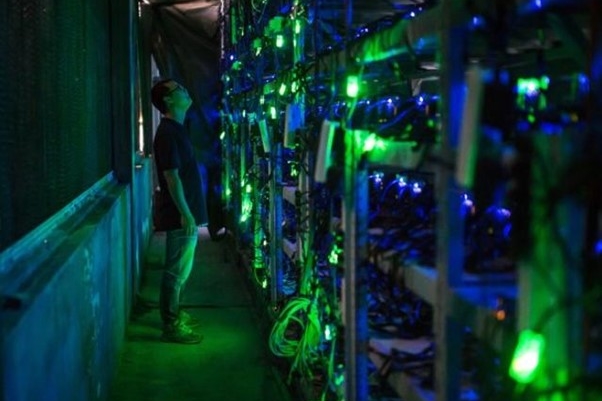
It is a process where powerful computers (or networks) solve complex mathematical puzzles to validate transactions and add them to the blockchain. Miners receive Bit coin as a reward for their efforts.
Key Points About Mining:
- Reward System: Miners receive Bit-coin as a reward for solving puzzles. Initially, the system rewarded miners with 50 BTC, but it halves this amount approximately every four years (currently the system rewards 6.25 BTC per block).
- High Costs: Mining requires expensive hardware and consumes significant electricity, which can sometimes outweigh the value of the coin earned.
- Bitcoin Supply Cap: Only 21 million Bitcoins will ever exist. As of now, miners have mined over 19 million Coins.
Bitcoin Halving 2024: What Happened and Why It Matters
Every four years, something important happens with Bit coin, it is called a Bitcoin Halving. In simple words, the reward that miners earn for verifying Bit coin transactions gets cut in half.
In April 2024, the Bit coin block reward was reduced from 6.25 Bit coin to 3.125 Bit coin. This was the fourth halving in Bitcoin’s history.
Why does this matter for you?
Think of it like this, imagine a gold mine that produces less and less gold every few years. When the supply becomes scarcer, the value tends to go up. Bitcoin works on the same principle. With fewer new Bit coins entering the market after the halving, demand often pushes the price higher.
Historically, each halving has been followed by a rise in Bitcoin’s price over the following months. The 2024 halving was no different, Bit coin’s price saw a significant increase in the months that followed.
When is the next halving?
The next Bitcoin halving is expected around 2028, when the reward will reduce further to approximately 1.5625 Bitcoin per block.
The halving is one of the most important events in the Bit coin calendar. It is built into Bit coin’s design to control its supply and protect its value over time.
Why Is Bitcoin So Valuable?
Scarcity, utility, and demand drive It’s value. With only 21 million Bitcoins in existence, its limited supply contributes to its high price. In January 2025, it reached an all time high of nearly $106,963 USD per Bit coin.
Factors Influencing Bitcoin’s Value:
- Scarcity: Finite supply of 21 million Bit coins.
- Adoption: Increasing acceptance by individuals, companies, and even governments.
- Security: Blockchain ensures secure and tamper proof transactions.
- Inflation Hedge: Bitcoin acts as a store of value, similar to gold.
How Bitcoin Transactions Work in real world?
- Now let us take an example that you need to buy a Laptop and Shop owner accepts Bit coin. Now to pay Shop owner you first need to know his public key (digital alphanumeric number).
- Then, using your private key, you initiate a transaction, which the shop owner receives using his own private key. Once the transaction completes, you get your laptop.
- Now let me explain this in a very easy way. You want to send some Coin to me. Then we both should have a public key or address and a very personal private key to authenticate transactions. Now to send using your private key you initiate a transaction to me by my public key. At the other end, I will use my private key to receive Coin.
- In the real world, people perform transactions using a Digital Wallet or Bitcoin wallet, and the system automates and executes the above shown transactions in a very user friendly way. Moreover you will find an app for bit coin in Apple App store or Google Play store.
How to Buy or Sell Using Bitcoin
Buying or selling using Bitcoin is straightforward once you have a digital wallet. Here’s a simple step by step process:
- Get a Digital Wallet: Download a Bitcoin wallet from the App Store or Play Store.
- Buy: Purchase Bitcoin from cryptocurrency exchanges using your local currency.
- Initiate Transactions: Use your private key to send Bit coin to someone’s public key.
Examples of Usage:
- Buying goods and services online or in physical stores.
- Sending money across borders without hefty fees.
- Investing in it as a long term asset.
Advantages and Disadvantages of Bitcoin
This has revolutionized the financial landscape, but it comes with its own set of benefits and drawbacks.
Advantages:
- Decentralized: No government or bank interference.
- Transparency: Transactions are publicly recorded on the blockchain.
- Security: Cryptography ensures secure transactions.
- Lower Fees: No intermediaries mean minimal transaction costs.
Disadvantages:
- Volatility: Bitcoin’s value can fluctuate drastically.
- Regulatory Issues: Some governments have banned and some have heavily regulated it.
- Energy Consumption: Mining requires immense energy, raising environmental concerns.
- Complexity: Understanding Bit coin and blockchain technology can be challenging for beginners.
Bitcoin ETF: Big Step for Mainstream Investors
January 2024 was a landmark moment for Bit coin. The US Securities and Exchange Commission (SEC) approved several Bitcoin Spot ETFs, allowing institutional investors to gain exposure to Bit coin without direct ownership.
What is a Bitcoin ETF in simple words?
An ETF (Exchange Traded Fund) is like a share that you buy on a stock exchange. Instead of buying actual Bit coin and managing a crypto wallet, you can now buy a Bitcoin ETF, just like buying a share of a company, through your regular stock broker or investment app.
This was a huge step because it made Bit coin accessible to large banks, pension funds, and traditional investors who were previously not allowed or comfortable buying actual crypto.
The broader US Bitcoin ETF market grew 45% to $103 billion in assets under management, with 60% of institutional investors now reporting crypto allocations.
What does this mean for Bitcoin’s future?
When big institutions enter the market, it brings more stability, more liquidity, and more trust. For everyday investors including Indians looking at crypto this signals that Bit coin is increasingly being treated as a serious, mainstream asset, not just a speculative gamble.
Bitcoin Around the World: Who’s Using It?
It’s legal status varies across the globe.
- Countries That Accept Bitcoin:
- El Salvador (official currency)
- Japan
- Switzerland
- Germany
- Countries That Restrict Bitcoin:
- China
- Egypt
- Bangladesh
USA Now Has a Bitcoin Reserve, Just Like Gold
In a move that surprised the world, US President Donald Trump signed an executive order on March 6, 2025, establishing a Strategic Bitcoin Reserve, maintaining government owned Bit coin as a national reserve asset. Think of it like the gold reserves that countries hold. The US now officially holds Bit coin as a national asset.
A Gold Reserve is the stock of gold kept by a country’s central bank or government as a financial backup. It helps support trust in the country’s economy and can be used during financial emergencies or economic instability.
The reserve was initially stocked with approximately 200,000 Bitcoins seized from government forfeiture proceedings, to be held as a long-term store of value.
This is a significant moment because:
- It gives Bitcoin government level legitimacy in the world’s largest economy.
- It signals that Bitcoin is now being compared to gold as a store of national wealth.
- It opens the door for other countries to consider similar steps.
At that time US President has consistently stated he wants the US to be the leader in the cryptocurrency field, calling for a forward thinking approach to digital assets.
While India continues to develop its own crypto regulation framework, the US Bitcoin Reserve shows that global governments are taking Bit coin seriously not dismissing it. This is a sign of how far Bit coin has come since its early days.
Why Some Countries Ban Bitcoin
Bitcoin’s anonymity can facilitate illicit activities such as money laundering and tax evasion. This has led some governments to impose restrictions or outright bans.
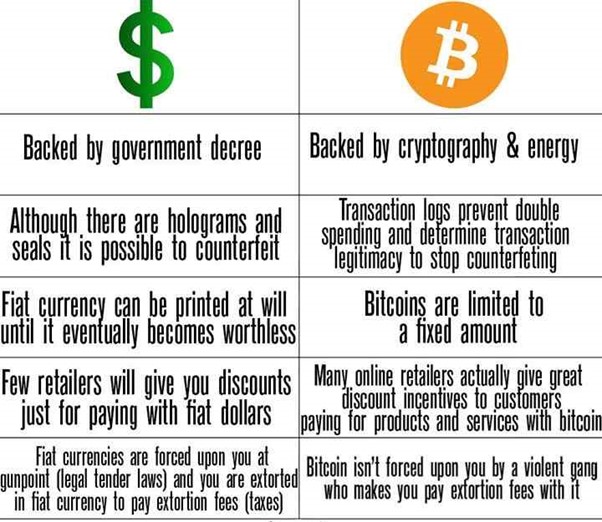
Why Choose, and Why Avoid It?
“Each and every transaction is secured and private. That means you don’t have to pay taxes or fees to the Government or Bank.”
- This is the prime reason some countries have not officially accepted Bit-coin and its transactions as a currency or money.
- While some countries have accepted it as currency and they do not prohibit transactions. They even allow buying or selling through.
What Is Bitcoin 2 (BTC2)? Is It a New Version of Bitcoin?
As Bitcoin grew in popularity, many new cryptocurrencies were born, inspired by its success. One of them is Bitcoin 2, also known by its ticker symbol BTC2.
If you are hearing the name for the first time, you might think it is an upgraded or official “version 2” of Bitcoin. But that is not the case. Let us clear this up.
Bitcoin 2 Is Not an Official Upgrade
Bitcoin does not have a company, founder, or team that can release a new version like a software update. The original Bit coin (BTC) continues to run exactly as it always has, on its own blockchain, following the same rules set in 2008.
Bitcoin 2 is a completely separate cryptocurrency, an independent coin that was created by different developers. It simply borrowed the Bitcoin name to attract attention.
How Is Bitcoin 2 Different from Bitcoin?
| Feature | Bitcoin (BTC) | Bitcoin 2 (BTC2) |
| Created by | Satoshi Nakamoto (2008) | Unknown developers |
| Market Rank | No. 1 in the world | Very low (ranked around #1600+) |
| Price (approx.) | ~$63,000+ | ~$0.14 |
| Supply Cap | 21 million | Different supply model |
| Trust & Adoption | Worldwide | Very limited |
Above information clearly shows, the two are very different in terms of trust, adoption, and value.
Why Do Such Coins Exist?
In the world of cryptocurrency, anyone can create a new coin. Some are created with genuine technical goals, while others simply ride on the fame of an established name like Bit coin. These types of coins are often called altcoins, short for “alternative coins.”
Bitcoin 2 falls in this category. It uses the Bit coin name but has no official connection to the original Bit coin network or its creator Satoshi Nakamoto.
Should You Invest in Bitcoin 2?
This is where you need to be careful. Bitcoin 2 has a very low trading volume and a very small market presence compared to Bit coin. Its all time high price was around $36, and as of 2025–2026, it trades at just a few cents.
If you are new to cryptocurrency market, it is always safer to stick to well established cryptocurrencies like Bitcoin (BTC) or Ethereum (ETH), which have a proven track record, wide adoption, and strong security.
Quick Tip:
Before investing in any cryptocurrency, always research its team, technology, and purpose. A coin with a famous sounding name does not automatically make it trustworthy or valuable.
Bitcoin 2 exists in the crypto market, but it is not a successor to Bitcoin.
Think of it this way, just because a product is called “Gold 2” does not mean it contains real gold. The original Bitcoin remains the most trusted, most used, and most valuable cryptocurrency in the world. Bitcoin 2 is simply one of the thousands of altcoins that exist alongside it.
Where Is Bitcoin Headed? A future Outlook.
Bitcoin’s price has always been a rollercoaster, and that has not changed. But what has changed is who is riding that rollercoaster.
Bitcoin’s price surged from around $45,000 to $120,000 between 2024 and 2025, as ETF inflows reduced volatility and centralised a significant portion of circulating supply among institutional holders.
As of mid 2026, Bitcoin is trading in the range of $63,000–$66,000, having seen both highs and corrections during this period. Experts note that it is being compared to AI stocks as competing destinations for investor capital, with some analysts viewing it as undervalued relative to equities.
A Finder survey of crypto industry specialists in early 2026 predicted Bitcoin could reach $133,000 by end of 2026, though such predictions always carry uncertainty and should not be treated as financial advice.
What should a common person do?
- Do your own research before investing any money in Bitcoin.
- Never invest money you cannot afford to lose.
- Consider starting small to understand how crypto works before going bigger.
- Consult a financial advisor if you are unsure.
It has come a long way from being an unknown experiment in 2008. Today, governments hold it, banks invest in it, and millions of people around the world use it. Whether it becomes the future of money or not, it is certainly no longer something you can ignore.
Conclusion: Is Bitcoin the Future of Money?
Bitcoin has undeniably paved the way for a financial revolution. However, it’s important to approach it with caution, considering its risks, regulatory challenges, and market volatility.
If you’re interested, ensure you understand your country’s regulations and invest wisely.
While Bitcoin is not a physical currency, its impact on the financial world is tangible and profound.
As we move toward a more digital future, Bit coin might just become the cornerstone of the global economy.
Till next time take care.
F.A.Q.
1. What happens when all 21 million Bitcoins are mined?
Once all 21 million Bit coins are mined, no new Bitcoins will be created. Miners will rely on transaction fees for income instead of block rewards.
2. Can Bitcoin be hacked?
Bitcoin’s blockchain is virtually unhackable due to its decentralized nature and cryptographic security. However, individual wallets can be compromised if not secured properly.
3. Is Bitcoin legal in my country?
Bit coin’s legal status varies by country. Check your local government’s regulations regarding cryptocurrencies before investing or transacting.
4. What is the difference between Bitcoin and other cryptocurrencies?
Bitcoin is the first and most widely recognized cryptocurrency. Other cryptocurrencies, known as altcoins (e.g., Ethereum, Litecoin), have different use cases and features.
5. Can I lose my Bitcoin?
Yes. If you lose access to your private keys or digital wallet, you may permanently lose your Bit coin. Always keep backups of your wallet information.
6. Is Bitcoin 2 the same as Bitcoin?
No, Bitcoin 2 (BTC2) is a separate altcoin with no official connection to the original Bitcoin.





Pingback: essay structure