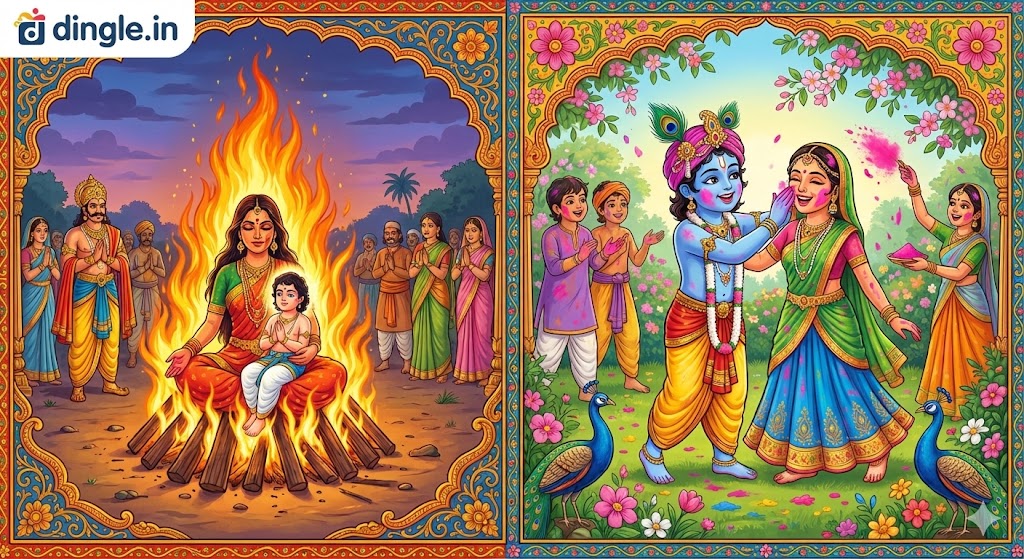
Holi festival is one of India’s most joyful and widely celebrated festivals, known as the Festival of Colours. You may have searched, what is Holi and why is it celebrated?
It marks the arrival of spring and the victory of good over evil. The vibrant holi festival celebrates the devotion of Prahlad, and holi also traditionally marks the joyful arrival of spring. In many regions, it is also deeply tied to celebrating the eternal love of Radha and Krishna.
You can experience the magic of holi in India with unmatched enthusiasm across the country. Let’s shout “holi hai” and say “happy holi guys” to everyone!
When is Holi celebrated?
Whenever someone ask when is Holi day, remember this. Holi is celebrated on the full moon day (Purnima) of the Hindu month Phalguna, which falls in February or March each year.
The exact date changes every year because it follows the lunar calendar.
People often ask, “holi kab hai” or “holi when”. To answer “holi which day” and provide the exact holi date, this year holi is on Wednesday, March 3, 2026.
What are the 2 days of Holi festival?
A common question from beginners is, “Is Holi only one day?” or “Is Holi 2 days?” The answer is yes, the holiday of holi spans two distinct days.
It starts with the bonfire night, known as holika dahan (sometimes referred to simply as holi dahan). Is Holi celebrated for 2 days? Yes, in most part of India Holi festivity is celebrated in two days.
If you are wondering holika dahan kab hai, it falls on the evening of March 3, 2026. This sacred period is preceded by the holi ashtak phase in the Hindu calendar.
Holika Dahan (bonfire night)
Holika Dahan marks the vibrant beginning of the Holi festival, traditionally observed on the night of the full moon.
Communities gather to light large, towering bonfires that symbolize the destruction of evil forces and negative energy.
This ritual commemorates the demoness Holika. Fire consumed her while she tried to burn her nephew Prahlad.
As the flames rise, people often sing, dance, and offer prayers around the fire to celebrate the ultimate triumph of righteousness over malice. People take bonfire embers home. They believe the embers purify the house and protect the family. This is why we celebrate Holi festival.
What is the second day of Holi known as?
The morning after the bonfire, the reflective mood of the night gives way to the joyous, unrestrained celebration known as Rangwali Holi or Dhuleti or Dhulandi.
Why is Holi called the festival of colours?
Streets and neighbourhoods transform into colourful canvases as people joyfully throw bright, finely milled powders called gulal at one another. Playful water fights break out using water guns and balloons filled with tinted water, ensuring nobody escapes the vibrant festivities dry.
Accompanied by the rhythmic beats of traditional drums, participants dance enthusiastically and embrace friends and strangers alike to let go of past grievances. People share sweets and drinks. These foods complete a festival of love and community.
Why is Holi celebrated? What is the reason to celebrate Holi?
What is the story behind Holi? The story behind the Holi bonfire centres on an arrogant demon king named Hiranyakashipu. He believed he was practically a god and demanded that everyone in his kingdom worship him alone.
However, his own son, Prahlad, refused. Prahlad was deeply devoted to Lord Vishnu.
Furious at this betrayal, the king made several attempts to kill his son, but Vishnu always intervened to protect him.
Finally, the king turned to his sister, Holika. The gods gave her a special boon. This gift protected her from fire.
The king ordered Holika to sit in a blazing bonfire with Prahlad in her lap. The plan was for Prahlad to burn while Holika survived. But as the flames roared, the magic protecting Holika failed because she was using it for evil. She was consumed by the fire, while Prahlad’s unwavering devotion shielded him, and he walked out untouched.
When people light the Holika Dahan bonfire today, it is a reenactment of this very pyre a powerful reminder that good will always outshine evil. This is why Holi celebrated in India.
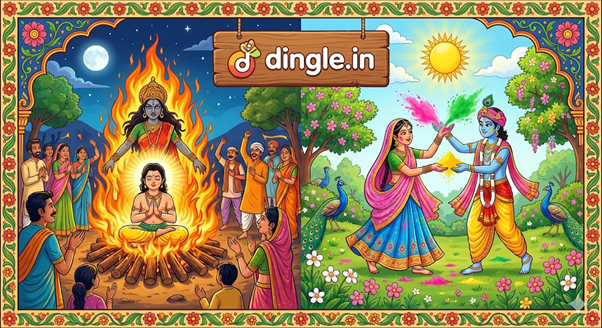
Radha and Krishna, an eternal tale of Love and Devotion
What do the Holi colours mean? Beyond the story of Holika, the vibrant traditions of throwing colours are deeply rooted in the divine love story of Lord Krishna and Radha.
Legend has it that a young Krishna, self-conscious about his dark blue skin, playfully complained to his mother about Radha’s fair complexion. In response, his mother playfully suggested he smear colour on Radha’s face to make her look however he wanted, sparking the joyous tradition of applying gulal.
People in the Braj region celebrate this courtship. They gather in Mathura and Vrindavan. As per history, Krishna grew up in these towns. The festivities here last for over a week, featuring elaborate processions, temple rituals, and unique local traditions that draw visitors from all over the world.
Ultimately, these vibrant reenactments transform the festival of colours into a beautiful homage to enduring love and playful mischief.
Lathmar Holi: The Festival of Sticks
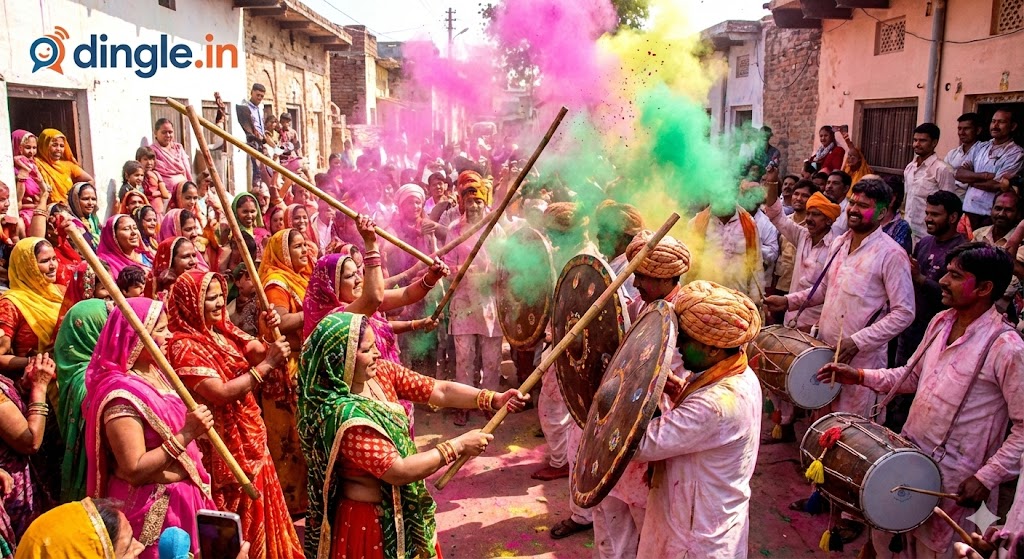
Lathmar Holi literally translates to “that Holi in which people hit with sticks,” and it is celebrated primarily in the neighbouring towns of Barsana and Nandgaon in the Braj region.
The tradition reenacts a famous legend where Lord Krishna travelled from his village of Nandgaon to Barsana to playfully tease Radha and her friends, who responded by chasing him away with sticks.
Today, men from Nandgaon visit Barsana singing provocative songs to recreate this teasing, and the local women playfully beat them back with long, sturdy bamboo sticks called lathis. The men come prepared with padded clothing and large wooden shields to protect themselves from the blows amidst the flying-coloured powders and cheering crowds.
It is a spectacular, high-energy display of mock combat, music, and devotion that perfectly captures the mischievous spirit of Krishna’s youth.
Phoolonwali Holi: The Festival of Flowers
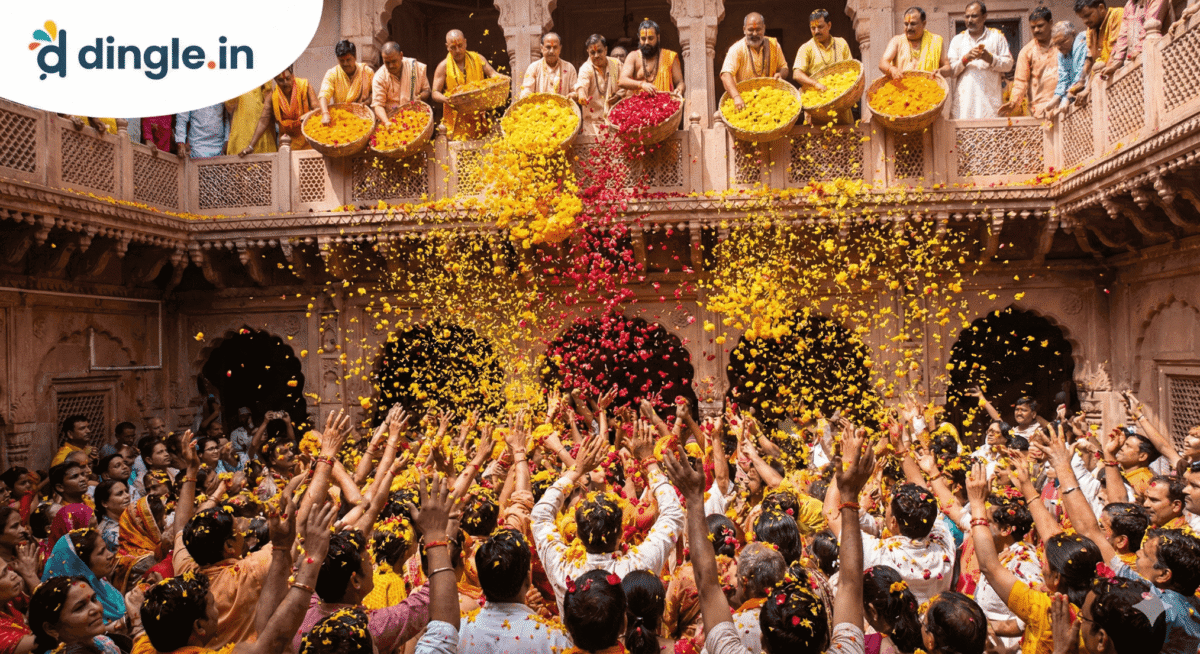
In stark contrast to the aggressive playfulness of Lathmar Holi, Phoolonwali Holi is a breathtakingly gentle celebration that takes place in Vrindavan, primarily at the historic Banke Bihari Temple.
Instead of using synthetic powders or coloured water, this unique variation of the festival is played entirely with fresh, fragrant flower petals, mostly bright yellow marigolds and vibrant red roses.
The tradition stems from the belief that the temple’s deity, Lord Krishna, should be treated with the utmost tenderness and love, avoiding any harsh chemicals or abrasive colours.
During a highly anticipated window of just 20 to 30 minutes, the temple priests open the gates and lovingly shower thousands of gathered devotees with large baskets of soft petals.
The air fills with a sweet floral aroma as the petals cascade down like a colourful rain, creating an atmosphere of deep spiritual devotion and pure joy.
This brief but magical event offers a serene experience that beautifully highlights the romantic and reverent side of the Radha-Krishna legend.
How to make preparations for Holi and Dhuleti?
Getting ready for the big holi day requires some great holi ideas. If you are hosting, you need creative holi decoration ideas for home and general holi decoration supplies.
You can welcome guests by drawing a beautiful holi rangoli at your entrance and creating some festive holi art.
When planning a holi party, you might be wondering: Holi party catering services for small gatherings? You will definitely want amazing holi food like traditional gujiya, malpua, and thandai for the Holi Utsav.
Don’t forget to organize fun holi activities or check out local holi events in your community.
What to Wear on Holi or Rangwali Holi (Colour Day) or Dhuleti / Dhulandi?
Choosing the perfect holi look is essential for those festive photos. You might want a beautiful holi outfit for women or seek out general holi outfit ideas.
Many people opt for a traditional holi saree look, while others prefer a casual holi t shirt or a classic white holi shirt. Just make sure whatever you wear is comfortable for playing holi in the streets.
Important items to consider for Holi celebrations
If you are buying supplies, you might wonder, “Where to buy herbal colours for Holi online?” or look for the best places to buy eco-friendly Holi colours online. You will need plenty of holi colours, bright holi colour powder, and standard holi colour.
The traditional gulal holi experience is the best and safest. For a gentler celebration, you can even celebrate holi with flowers (Phoolonwali Holi), just like they do in Vrindavan!
For the kids, finding the best pichkari for holi or a standard holi water gun is an absolute must. You can even print a holi pichkari outline or a fun holi cartoon for children to colour indoors. Don’t forget to buy a holi balloon pack or two for the ultimate water fight!
While playing, remember our previous discussion: Tips for protecting skin from harsh Holi colours.
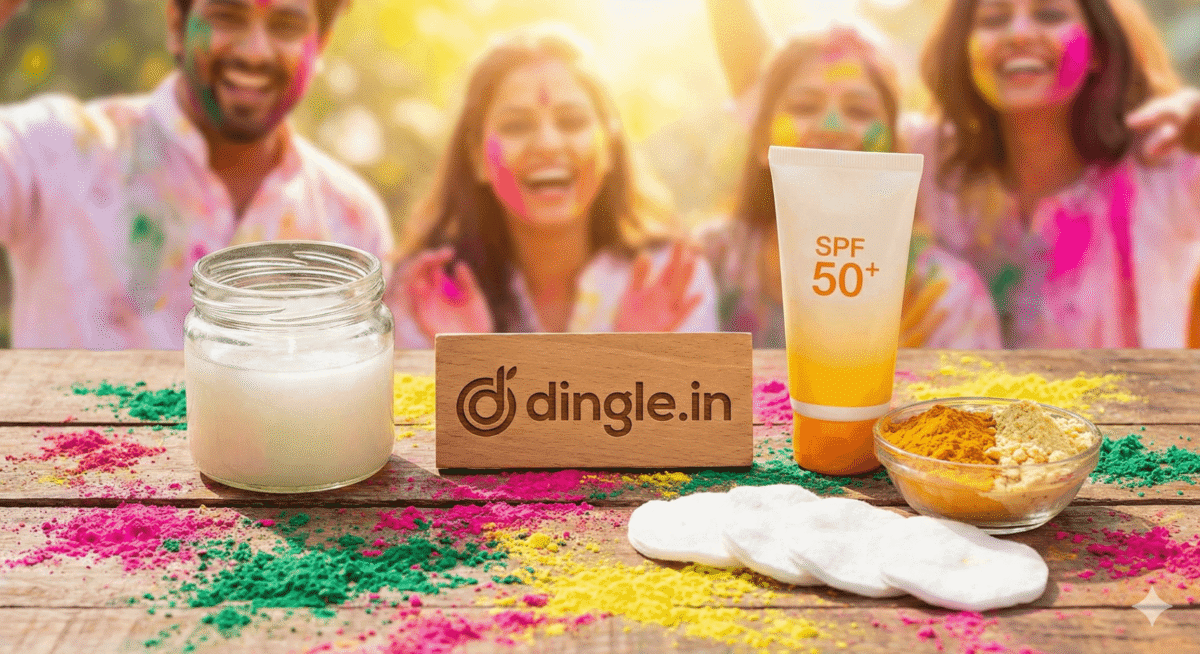
Use coconut oil or a moisturiser to create a barrier and apply sunscreen to prevent phototoxic reactions.
Also, protect your electronics while playing with coulours by asking your local shop: Best waterproof phone cases for Holi celebrations.
Holi Traditions and Festive Foods
The heart of Holi lies in its vibrant community traditions and mouthwatering culinary delights.
Throughout the day, friends and family visit one another’s homes to joyfully apply bright gulal to each other’s faces as a mark of affection, respect, and blessing.
These lively gatherings are filled with infectious music, traditional drum beats, and spontaneous dancing that bring entire neighbourhoods together in celebration.
No celebration is complete without an energetic holi song and a lively holi dance. Whether it is a traditional holi bhajan or a classic folk Holi Geet, music is the heartbeat of the festival. People love the nostalgic holi aayi holi aayi tune, and chanting Holi Geet adds to the authentic festive vibe.
To update your playlist, you can search for a holi new song, a popular holi Hindi song. Or you can check out the holi songs Bollywood latest tracks. Sometimes playing a fun holi comedy clip or casting a vibrant holi video song on your TV sets the perfect mood for guests. Looking for holi ke gana is always a top search trend!
Finally, send a heartfelt holi message or share a colourful holi status image with your loved ones. Let’s fully embrace holi and all the joy it brings during holi the colour festival.
The Culinary Heart of Holi: Foods That Bind the Community
The vibrant festival of Holi is as much a feast for the palate as it is for the eyes.
After hours of energetic street celebrations, communities naturally transition from playing with colours to sharing a spread of traditional delicacies.
These shared culinary rituals do much more than simply feed hungry guests. They act as a powerful social tool to mend past grievances and strengthen neighbourhood bonds.
Here is a look at the essential foods and drinks that complete the authentic Holi experience:
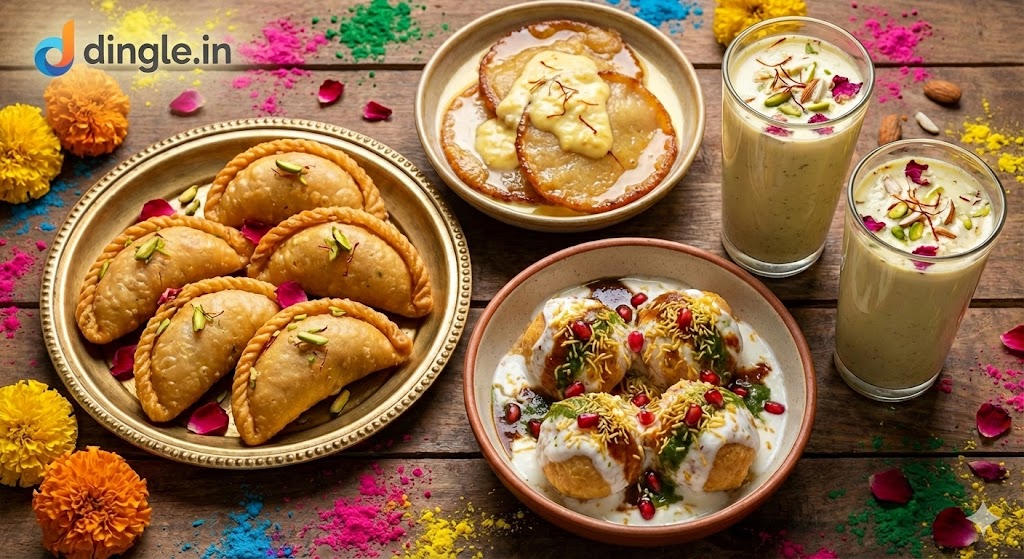
The Sweet Centrepieces
Ghughra (Gujiya)
No Holi celebration is truly complete without this iconic sweet. These crisp, flaky pastries are deep-fried and generously stuffed with a rich mixture of sweetened milk solids (khoya), grated coconut, cardamom, and chopped nuts.
While known widely as Gujiya across northern India, they are celebrated in Gujarat as Ghughra. It has stand as the ultimate symbol of festive hospitality.
Malpua
These traditional, syrup-soaked sweet pancakes offer a rich, decadent experience.
The batter is fried in pure ghee until the edges turn perfectly crisp. This makes it a heavy, satisfying reward after a long morning of celebration.
Savory and Cooling Refreshments
Dahi Vada
To perfectly balance the heavy, rich sweets, families serve these savory lentil dumplings.
Soaked in thick, chilled yogurt and topped with sweet tamarind and spicy green chutneys, they provide a refreshing and cooling contrast.
Thandai
Dancing outdoors in the warm March sun requires a serious thirst quencher. Thandai is a chilled milk beverage heavily infused with a fragrant paste of almonds, fennel seeds, rose petals, peppercorns, and saffron.
Thandai cools the body from the inside out and keeps energy levels high throughout the afternoon.
Ultimately, the true magic of these dishes lies in the act of sharing. Visiting neighbors with a fresh plate of ghughra and a tall glass of thandai opens the door for conversation, forgiveness, and lasting community connection.
Healthy way to celebrate Holi festival
Holi is a beautiful celebration of life, but taking a few minutes to protect yourself beforehand is for your for your overall wellbeing.
Holi is joyful, but many modern colours contain synthetic dyes, heavy metals, and industrial chemicals that can harm your skin.
Protecting your skin is not cosmetic care it is preventive health care. Protecting your skin isn’t just about vanity; it’s about defending your body’s most important physical boundary. Preparing your skin before you step out to play Dhuleti is essential for your physical health.
Throwing synthetic gulal exposes your skin to industrial dyes and crushed glass. These materials cut your skin and let toxins enter your body. A thick layer of coconut oil stops these chemicals from entering your pores. Playing outdoors in the 35 degree Celsius temperature sun heats up the chemical colours on your body. This reaction causes severe burns and rapid dehydration.
Sunscreen and oil block the heat and stop the chemical burns. Washing off unprotected colour takes hours of painful scrubbing.
Applying oil or moisturiser beforehand lets you wash the paint off quickly. You keep your skin intact and avoid stress in the days following the festival. Spend five minutes applying oil or moisturiser before joining the street celebrations.
Bura Na Mano, Holi hai!
Holi spans two distinct days of cultural traditions.
The Holika Dahan bonfire on the first night signifies the defeat of evil.
People celebrate Dhuleti the next morning by throwing coloured powder and splashing water.
Regional events like Lathmar Holi and Phoolonwali Holi highlight the Radha Krishna legends.
Neighbours strengthen relationships by sharing local foods like ghughra and thandai.
Preparing your skin with oil or moisturiser prevents chemical burns from synthetic dyes. Washing with a gram flour paste safely removes the colours.
These steps ensure your physical health and strengthen your community bonds.
Take care.